
Close to home and nature in Denmark
Earlier this summer, Michael had the pleasure of visiting some remarkable projects in Denmark (slightly biased as he is Danish after all.) They are all offer a powerful reminder of how cities can celebrate our connection to nature through biophilic patterns. Each of these places celebrates something simple yet profound: bringing people closer to nature in the heart of urban life.
Swimming in a harbour that is clean enough to enjoy. Walking through a lush urban park built on top of a carpark. Gathering on timber decks by the water. These are everyday encounters with nature that restore us, connect us, and make our cities more joyful.
Biophilic design is not a trend. It is a reminder of what makes us human. The Danes show us how beautifully it can be done. The question is how we can weave more of this thinking into the fabric of our own cities.
What struck me about these projects is not their scale or material extravagance, but their simplicity. They celebrate something deeply human; the joy of being close to nature in the heart of urban life.
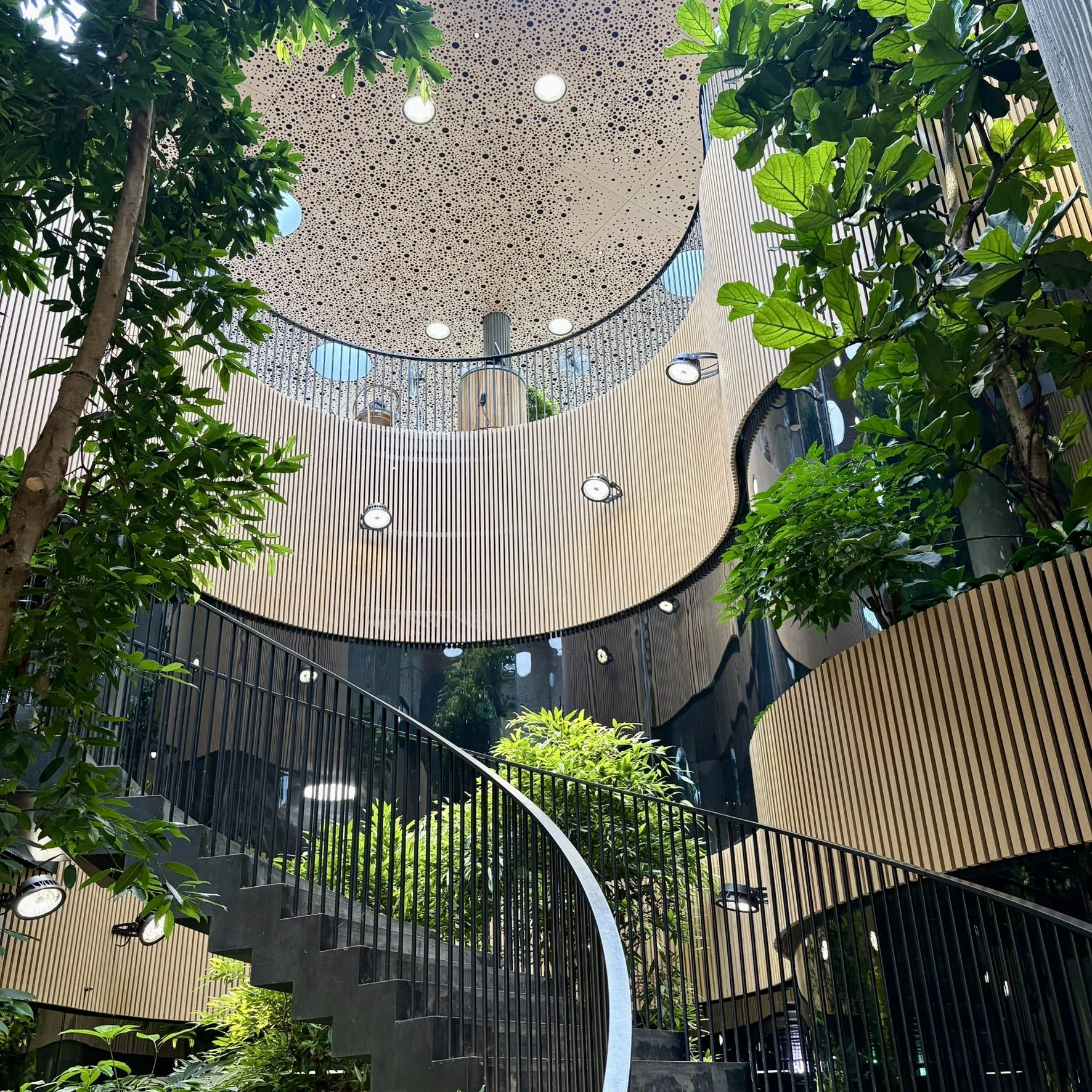
Take Opera Park in Copenhagen. Built above a car park, it transforms a necessary but mundane piece of infrastructure into a lush green park layered with trees, paths, and places to pause. It shows that even the most pragmatic urban interventions can give back to the city and create space for enjoyment.
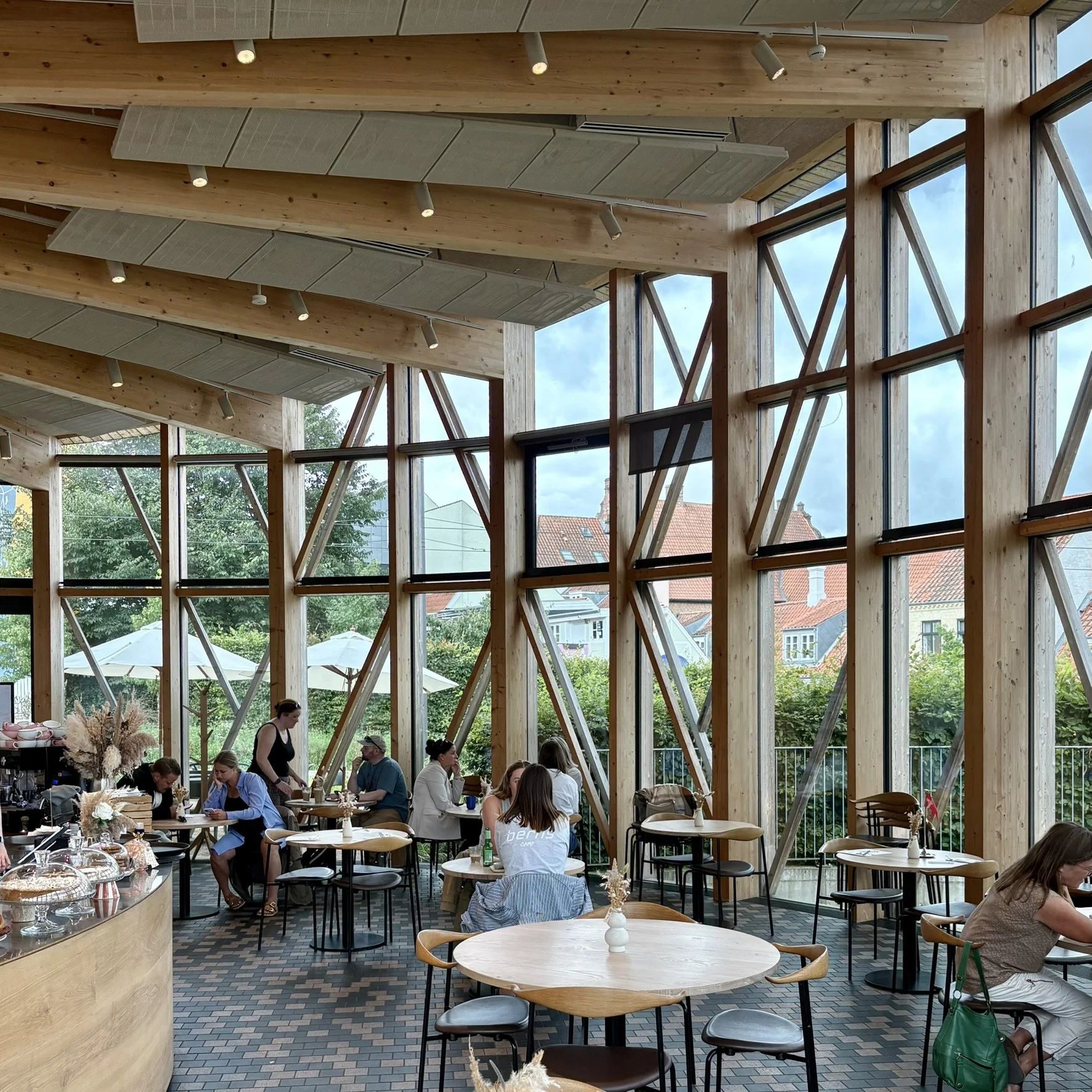
The Hans Christian Andersen Museum embraces playfulness and storytelling. Organic forms and tactile materials root visitors in nature even as they step into an imaginative world. Biophilic design here is about more than access to greenery. It evokes atmosphere, memory, and a sense of wonder.
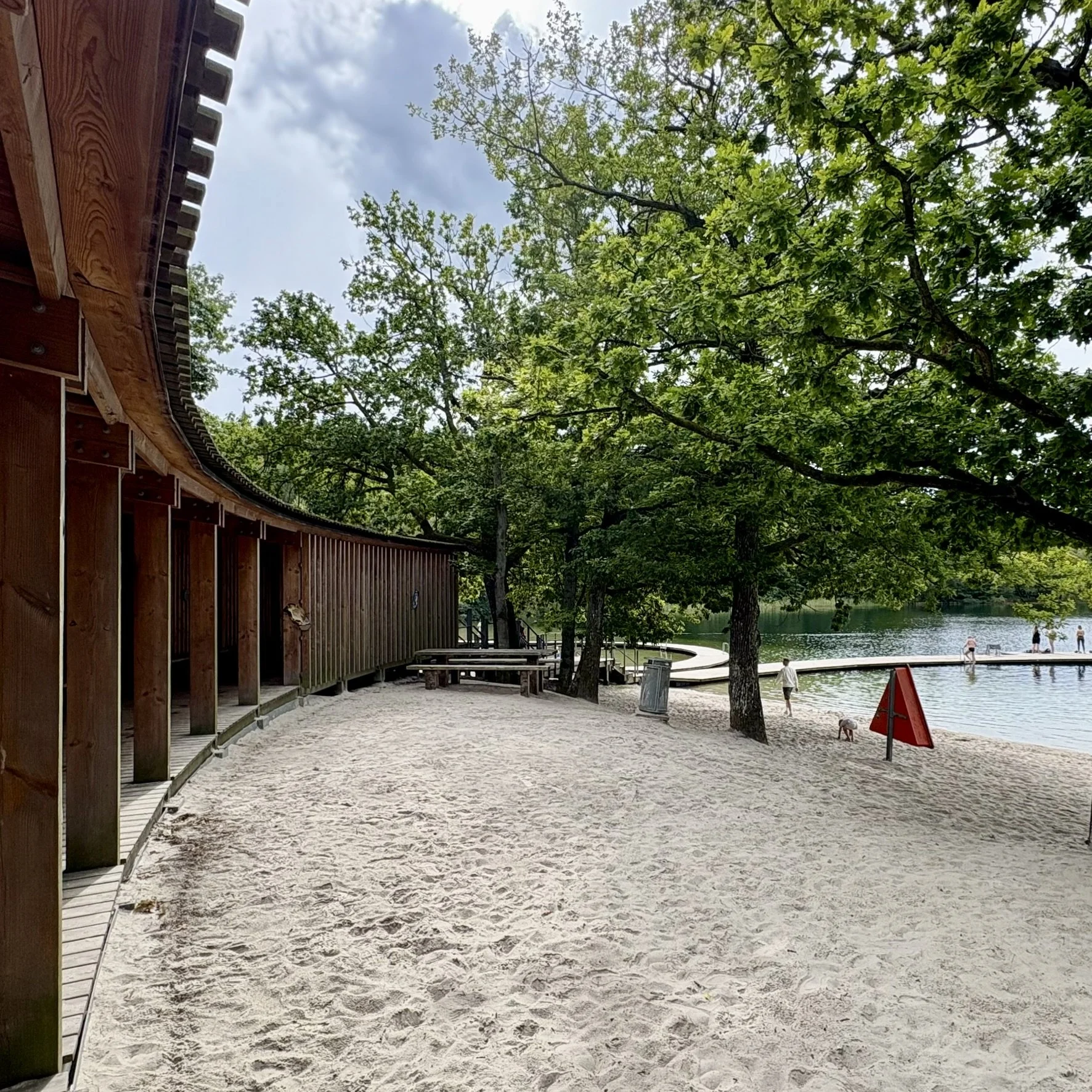
In Silkeborg, Østre Søbad turns swimming in the lake into an architectural experience. Timber decks and pavilions shape the shoreline, making water more accessible and inviting. The harbour bath in Faaborg celebrates another remarkable possibility, water clean enough to swim in. These interventions are playful, social, and restorative, proving that nature in the city can be safe, enjoyable, and celebrated.
These encounters, swimming in a harbour, gathering on a timber deck, or walking through a park, are everyday acts. Yet through thoughtful design, they become transformative. They restore us, connect us to our environment, and make urban life more joyful.
Biophilic design is not a passing trend. It is a reminder of what makes us human. We are healthier, happier, and more grounded when nature is woven into our daily lives. The Danes do this beautifully, but the question remains, how can we bring more of this thinking into the cities we live in?